
AI agents: the next step in artificial intelligence

Artificial intelligence is developing at a breakneck pace. While companies have primarily been introduced to chatbots like ChatGPT and Microsoft Copilot in recent years, a new generation of AI is now emerging: AI agents. These smart digital assistants can not only answer questions but also independently perform tasks, make decisions, and collaborate with other systems. For many organizations, this represents a fundamental change in the way work is organized.

Where AI has so far been used mainly as a tool, its role is increasingly shifting toward active support of daily processes. AI agents can automate tasks, combine information from different sources, and support employees in performing complex tasks. This creates a new way of working in which humans and AI collaborate ever more closely.

What exactly are AI agents?

An AI agent is a system that can work independently within pre-established frameworks. The agent understands a goal, determines which steps are necessary to achieve that goal, and then executes them. In doing so, it can gather information, use various applications, and make decisions based on available data.

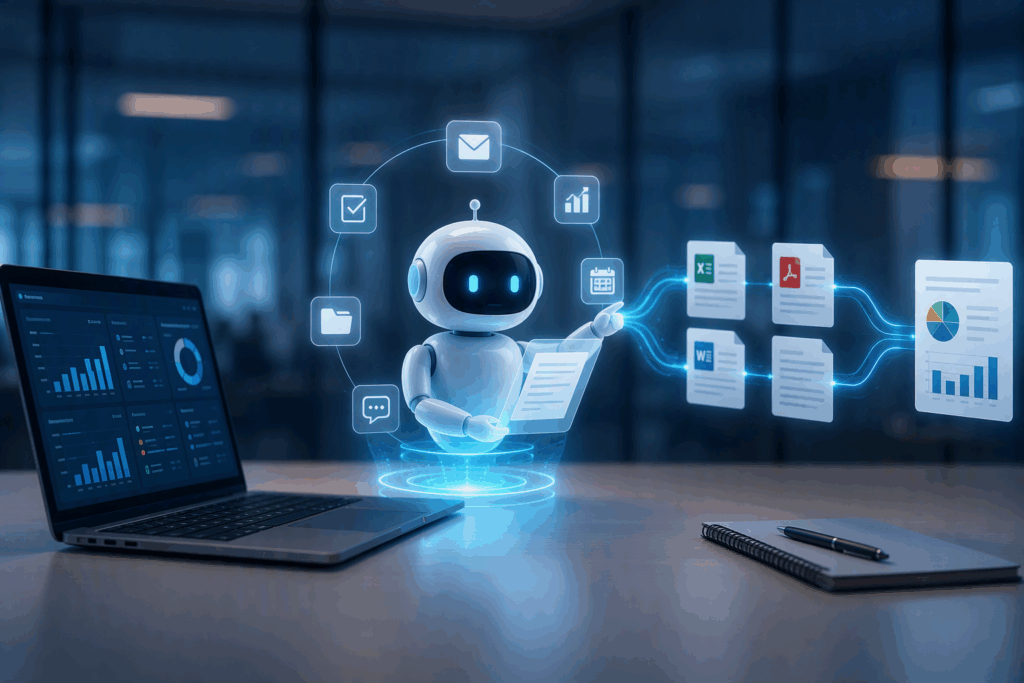
Suppose an employee needs a report for a client meeting. A traditional AI tool can help write that report. However, an AI agent can go much further. It gathers the necessary data from different systems, analyzes the results, prepares a report, and can even schedule an appointment to discuss the findings. The result is that employees spend less time on administrative tasks and can focus on work that adds more value.

What can you do with AI agents?

The power of AI agents lies not just in answering questions, but primarily in performing actions. Where a traditional chatbot waits for an instruction, an AI agent can independently take steps to achieve a goal. This makes the technology interesting for organizations that want to speed up processes, relieve employees, and work more efficiently.

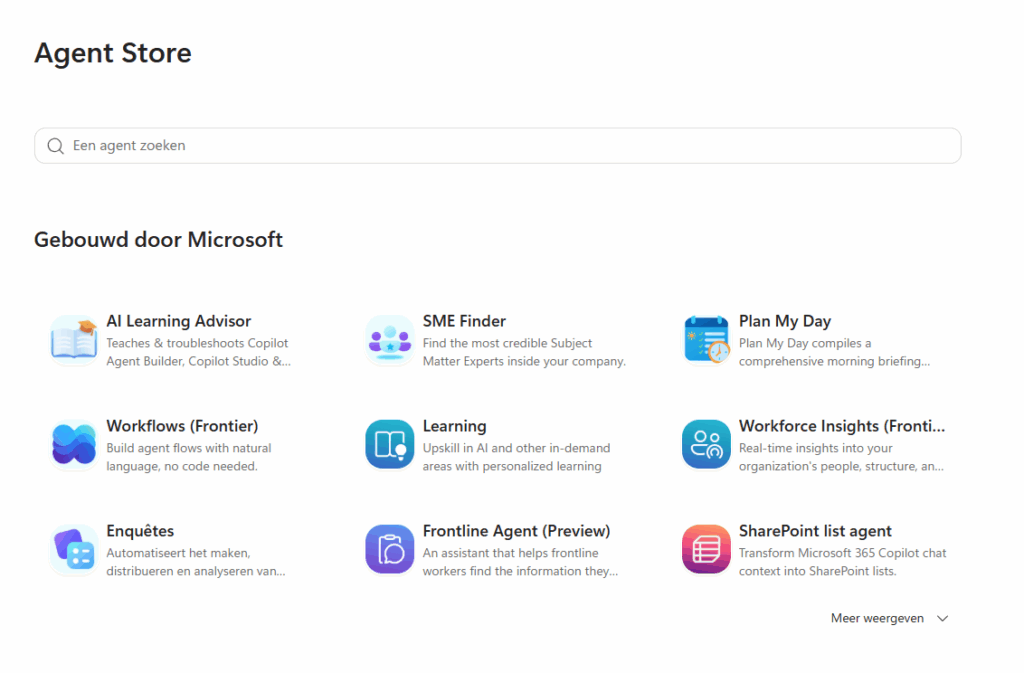
From the Agent Store, organizations can directly use existing agents, but also develop their own agents that align with their own processes. This creates countless possibilities for departments such as marketing, sales, HR, customer service, and IT. In the following examples, we look at how AI agents can be used in practice and what benefits this can provide for organizations.

Build your own specialized AI agent

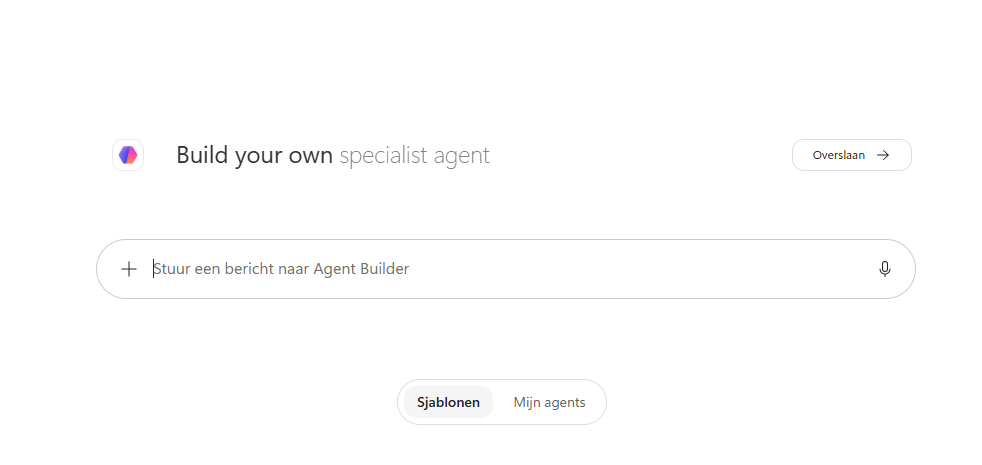
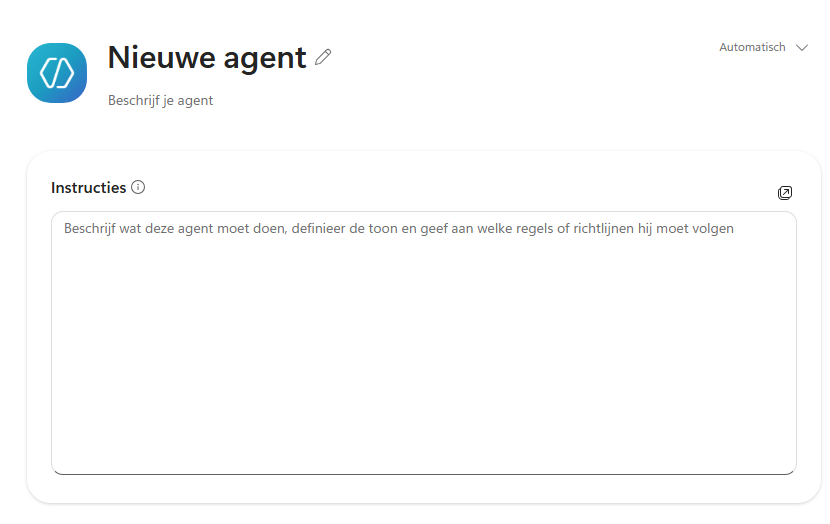
One of the most interesting developments within AI is that organizations today can not only use AI but also build their own specialized AI agents. With tools like the Agent Builder in Microsoft Copilot, it becomes possible to create agents tailored to specific departments, processes, or tasks within the organization.

Where a general AI assistant answers a wide range of questions, a specialized agent focuses on one clear goal. Think of an HR agent that answers questions about personnel policy, a sales agent that gathers customer information and prepares quotes, or a marketing agent that analyzes campaign performance and suggests improvements.

An agent’s intelligence lies in its instructions

Setting up an AI agent begins with clear instructions. Here you determine what the agent should do, how it should communicate, and which guidelines must be followed. For example, you can specify that a marketing agent always writes according to the organization’s brand identity, or that an HR agent only provides answers based on internal policy documents. By carefully formulating these instructions, an agent is created that is consistent, reliable, and aligned with the organization’s needs.

Knowledge makes the difference

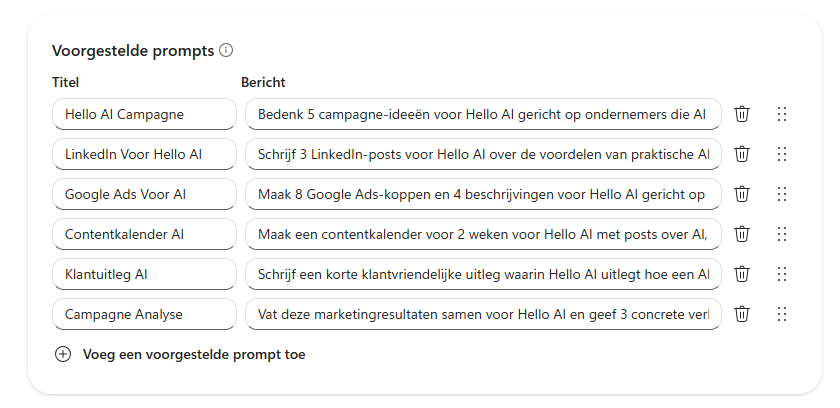
In addition to instructions, knowledge plays a crucial role. An agent only becomes truly valuable when it is given access to relevant information sources, such as documents, manuals, internal procedures, or websites. This allows the agent to provide answers that are not only intelligent but also based on the specific knowledge of the organization. In combination with suggested prompts, users can also quickly get started with common questions and tasks, providing the agent with immediate practical value in daily work.

Your own custom AI agent

One of the greatest advantages of AI agents is that organizations can fully tailor them to their own operations. The image above shows how an agent is provided with suggested prompts that align with specific marketing tasks. For instance, a user can immediately generate campaign ideas, have LinkedIn posts written, create Google Ads setups, develop content calendars, or analyze marketing results. This means an employee does not have to give extensive instructions every time.

The agent understands the organization’s context and can immediately get to work on common tasks. This not only makes AI more user-friendly but also ensures that knowledge, methods, and processes are applied consistently across the entire team.

Ready for the next step with AI?

AI agents show that artificial intelligence is evolving from a smart assistant to an active digital colleague. By automating tasks, supporting processes, and bringing together information from different systems, AI agents offer organizations new opportunities to work smarter and more efficiently.

Curious about what AI agents can do for your organization? Contact us and discover how you can use AI to optimize processes, support employees, and get more value from technology.